Introduction — Cheaper care, clearer rules

India’s GST 2.0 reforms bring one of the clearest wins for citizens: a set of targeted Healthcare sector GST exemptions and rate cuts for medicines, medical devices and health insurance that lower out-of-pocket costs and simplify billing for providers. The package takes effect on 22 September 2025, and it changes both final prices for patients and the operational finance of hospitals, clinics, pharmacies and insurers.
What changed — the essentials at a glance
The GST Council’s recommendations include: full exemption of individual health and life-insurance premiums, a move of many lifesaving drugs to 0% (nil) and a reduction of GST on several medicines and medical devices (many moved from 12%/18% down to 5% or to nil for key drugs). Diagnostic kits, bandages, glucometers and many hospital consumables have seen lower rates, easing costs for routine care and chronic-disease management. These changes are aimed at both social protection and easier administration of healthcare billing.
Why this matters — three practical effects for healthcare stakeholders
First, patients and households get cheaper access to medicines and insurance cover — a direct affordability gain, especially for long-term therapy and chronic conditions. Second, hospitals and clinics face simpler invoicing: fewer rate categories for routine supplies reduce classification errors and disputes during audits. Third, insurers and payers see lower premium costs for individual policies (GST exemption) but must also account for the operational impact: insurers lose the ability to claim GST credits on certain inputs, which can affect underwriting economics. Policymakers expect the net social gain (wider insurance take-up and lower drug costs) to outweigh transitional shifts.
Operational impact — what hospitals, pharmacists and suppliers must do
Hospitals and pharmacies should immediately map their SKUs to the new tax treatment. That means tagging drugs, consumables and devices as nil/5%/18% in procurement and billing systems and testing e-invoicing flows so prescriptions and bills show the correct tax lines. Suppliers must update their price sheets and delivery invoices; for pre-packaged or pre-priced stock, follow the official guidance on MRP/sticker revisions to avoid disputes. Account teams should also model short-term working capital effects, especially where input tax credits were used to offset GST on services or infrastructure.
Pricing & insurance — what insurers and patients should expect
Individual health-insurance premiums are GST-exempt under GST 2.0, which lowers the headline premium for policyholders and reduces a recurring cost that can deter coverage. For insurers, exemption removes the output tax but also limits crediting of some business inputs; insurers should run actuarial stress tests to understand net effects on pricing and commission economics. For patients, lower medicine/device prices and duty-free premiums should reduce overall episode costs — especially for chronic care, diagnostics and outpatient treatments.
FAQs — quick practical answers for healthcare teams
Q1. When do the new rules take effect?
Ans. The GST 2.0 changes apply from 22 September 2025.
Q2. Do hospitals need to relabel existing medicine packs?
Ans. Follow the PIB/NPPA guidance — relabelling rules and sticker/MRP instructions for pre-packed stock were clarified in official FAQs. Keep documentary evidence if you revise MRPs.
Q3. Will insurers raise claim costs because of lost credits?
Ans. Insurers may rework premiums to reflect input-cost changes, but regulators expect broader access to insurance (due to lower premiums) to be net positive. Insurers should communicate product changes clearly.
GST Beyond Medical Bills — system and supply-chain benefits
Fewer tax bands for common medical supplies simplify procurement, reduce classification disputes and shorten reconciliation work between hospitals, suppliers and payers. This reduces admin friction at high-volume touchpoints (OPD counters, pharmacy POS, diagnostic billing), letting staff focus more on care delivery and less on tax exceptions. For device manufacturers and distributors, clearer slabs speed customs/clearance and lower landed cost uncertainty for hospital buyers.
Further reading — act on the 22 Sep 2025 GST changes
- Impact of 40% Luxury Tax on Businesses – GST 2.0
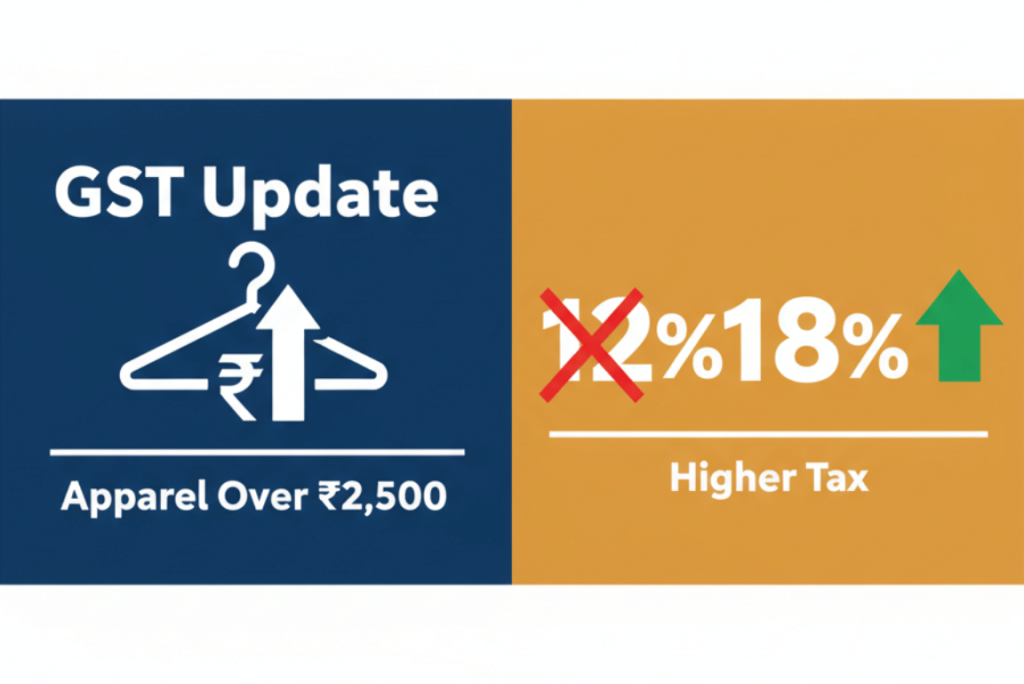
- Apparel Over ₹2,500 Faces HIgher tax | GST 2.0 Retailer Update
- GST 2.0 Relief: How Education Sector Benefits in 2025
Building a regional footprint without a lease
Clinics expanding into new districts, telemedicine startups setting up regional ops, or health NGOs registering across states can benefit from a virtual office. It provides a professional local address, phone handling and mail services without a long lease. That helps with state-level registrations, faster supplier onboarding and a compliant contact point for patients and regulators — all while keeping overheads low during transition periods. Explore Virtual Office options here.
Conclusion — prepare now, help patients faster
GST 2.0’s exemptions for medicines, devices and insurance are a significant policy win for healthcare affordability. Providers should map SKUs, update billing systems, document MRP changes carefully, and model insurer/payer conversations now. Acting early guarantees smoother claims, clearer patient bills and a cleaner audit trail — and most importantly, faster, cheaper access to care for patients from 22 September 2025.
References
- GST Council — Press Release (PDF): Recommendations of the 56th Meeting (GST 2.0).
- PIB press note — GST 2.0 overview and social protection points.
- NDTV — Individual health-insurance premiums to be GST-free.
- PIB — FAQs on implementation, relabelling and NPPA clarifications.
- Business Standard — insurer economics and analysis of GST exemption impact.
- Other References – Money Control, Economic Times, Times of India, Hindustan Times, Mint-1, Mint-2, Mint-3, Tax Guru