Introduction — Weddings just got re-priced
GST 2.0, rolled out for implementation from 22 September 2025, recast India’s tax slabs and—for the wedding ecosystem—changed the math on bookings, menus and bridal wardrobes. From cheaper budget clothing and some décor items to new tax treatment for venue services and certain premium apparel, the GST 2025 impact on wedding costs will be felt across planners, caterers, decorators and retailers. This post explains what has changed, who gains or pays more, and the practical moves vendors should make before the next wedding season.
The headline changes that matter to weddings
The reform simplified rates into broadly 5% and 18%, with a special 40% band for luxury/sin goods. Many everyday consumer items moved down (helpful for low-cost décor materials and basic apparel), while higher-value clothing and premium services often fall into the 18% or 40% buckets. Importantly for events, some hotel/banquet classifications remain 18% where average room rates or prior thresholds apply—so banquet and venue billing may not see wholesale relief in star-hotel segments.
Clothing & bridal wear — winners and pinch points
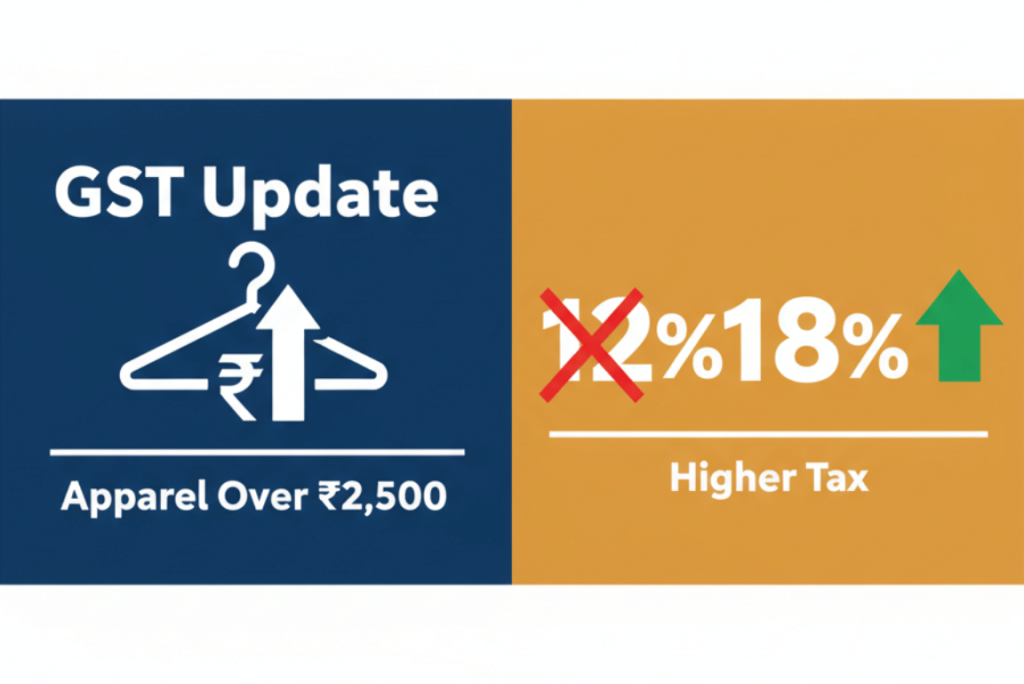
Mass / budget apparel and accessories priced below the new threshold (commonly ₹2,500 in published lists) benefit from lower tax rates, making pre-wedding outfits and bridesmaid dresses cheaper. That helps boutiques and chains selling high-volume, lower-priced lines. Conversely, premium bridal lehengas, designer suits and couture pieces—often priced well above the threshold—now attract higher GST (18% or face the luxury treatment), increasing the sticker price unless designers absorb some of the tax. Expect more customers to ask for invoice-level discounts or split purchases (separate accessories vs. garment) to manage tax slabs.
Decorations, props and rentals — more nuanced relief
Basic décor supplies such as fabrics, floristry inputs and many non-electrical props that moved into lower slabs become cheaper for decorators and event planners, which can reduce package costs or raise margin. However, high-end rentals (specialized lighting rigs, imported installations) may still sit in higher slabs. For planners, a practical play is to re-engineer packages: substitute some high-tax decorative elements with creative low-tax alternatives, and itemize invoices so clients see where savings flow.
Catering & venue charges — watch the fine print
Food ingredients and many everyday catering items saw tax relief in GST 2.0, which can lower menu costs. But banquet charges—especially at star hotels—are governed by rules tied to room-rate thresholds; many hotels remain in the 18% category for banquet/catering services, limiting price relief for high-end receptions. Caterers serving independent venues or community halls may be able to pass savings to clients more readily than large hotels. Always check whether a venue is classed as “specified premises” under the new rules before promising clients big savings.
Practical checklist — what vendors and planners should do now
- Reclassify SKUs & services: Map every line item (outfit, prop, menu item, rental) to the new slab and tag it in your billing system.
- Rebuild packages: Create clear package variants (budget, mid, premium) showing the tax break or premium explicitly so clients understand the final bill.
- Document pre-change stock: If you have inventory bought before Sep 22, keep invoices and photos—MRP revision rules and transitional guidance matter for audits.
- Train sales & accounts teams: Equip them with short scripts that explain invoice value vs sticker price and how discounts affect GST.
- Negotiate supplier terms: Use lower-taxed inputs to renegotiate margins or pass benefits as limited-time offers to clients.
FAQs — quick answers for planners and clients
Q1. When do these rate changes apply?
Ans. The GST 2.0 changes are effective 22 September 2025. Check official FAQs for narrow exceptions.
Q2. Will venue banquets get cheaper everywhere?
Ans. Not necessarily—many star hotels remain subject to higher rates due to classification rules tied to average room rates. Independent venues may show more relief.
Q3. Can I discount an item to fall below the threshold?
Ans. GST is calculated on the transaction value after discount. Properly documented discounts can change the applicable slab—ensure the discount appears on the invoice.
Further reading — act on the 22 Sep 2025 GST changes
- GST 2.0 Relief: How Education Sector Benefits in 2025
- New GST Exemptions 2025: Big Gains for Healthcare Sector
- Electronics GST 2025: TVs, ACs & More Get Tax Relief
Smart ways to scale event operations across cities
If you’re scaling to new cities for seasonal wedding demand, a virtual office gives a local business address, phone handling and mail services without heavy rent. That helps with multi-state registrations, vendor onboarding, and meeting clients locally—letting you expand presence quickly while keeping overheads lean during peak seasons. Explore Virtual Office options here.
Conclusion — plan packages, not just prices
GST 2.0 changes the way weddings are quoted and booked. Some costs move down (basic apparel, many décor inputs, certain catering ingredients); others—luxury clothing and certain venue services—may stay costly. The winners will be planners and vendors who repackage offerings, document pre-change stock, train staff to explain invoices, and use virtual local presence to expand smartly. With the reforms live from 22 September 2025, early action turns compliance into a competitive advantage.
References
- Recommendations of the 56th Meeting of the GST Council — Press Information Bureau / GST Council PDF.
- Reuters — GST 2.0: how reforms reshape weddings, wardrobes and wallets.
- Times of India — star hotels and banquet tax/threshold reporting.
- Economic Times — full list and sector impact; MRP revision guidance for unsold stock.
- ClearTax / Kotak summaries — plain-English breakdown of new slabs and sector notes.
- Other References – Times of India