Introduction: Why Business Owners Should Care About GST 2025

The September 2025 GST overhaul isn’t just a regulatory update—it’s a strategic shift that affects business profitability, pricing, and compliance. Companies across sectors need to understand GST rate changes for businesses, as they directly impact margins, supply chain costs, and financial planning.
Effective September 22, 2025, the revised GST slabs introduce significant changes across multiple industries. Business owners, CFOs, and finance managers who act proactively can leverage these updates for cost optimization and strategic advantage. (bajajfinserv)
Key GST Rate Changes for Businesses in 2025
5% GST Slab – Lower Costs for Essentials & Inputs
Essential goods, FMCG, and small business inputs now attract 5% GST, reducing operational costs. For example, a bakery sourcing dairy products will see raw material savings, creating opportunities to improve margins or reinvest in growth.
18% GST Slab – Standard Goods and Services
Electronics, appliances, and construction materials fall under this slab. Businesses must reevaluate pricing strategies, renegotiate contracts, and forecast demand, ensuring competitiveness while maintaining profitability.
40% GST Slab – Luxury & High-Value Products
High-end cars, premium tobacco, and certain beverages are now taxed at 40%. Companies must assess pricing models, forecast demand shifts, and optimize sales strategies to protect revenue.
Sector-Specific GST Impact on Businesses
Automotive Sector:
The automotive sector is among the most directly affected by the GST rate changes of 2025. Small cars and motorcycles up to 350cc now fall under the 18% GST slab, reduced from the earlier 28%, making them more affordable and creating opportunities for dealers to boost sales volumes. In contrast, luxury vehicles are now taxed at 40%, positioning them firmly in the premium category. For businesses, this dual structure requires careful adjustments—dealers and manufacturers must recalibrate margins, optimize inventory planning, and adopt strategic marketing campaigns to capture rising demand in the small-car segment while maintaining stability in the luxury market.
Consumer Electronics & Appliances:
The 2025 GST reforms have significantly reshaped the consumer electronics and appliances sector. With GST reduced from 28% to 18%, products such as televisions, refrigerators, washing machines, and laptops have become more affordable. For businesses, this creates a strong opportunity to launch targeted promotional campaigns, drive higher sales volumes, and improve overall cash flow. Manufacturers and retailers can leverage the lower tax burden to optimize pricing strategies, enhance market competitiveness, and expand their customer base in a sector where price sensitivity plays a major role in buying decisions.
Construction & Infrastructure:
The construction and infrastructure sector benefits directly from the 2025 GST rate changes, with essential inputs such as cement, steel, and other key building materials now taxed at 18% instead of the higher earlier rate. This reduction provides contractors and developers with opportunities to lower overall project costs, making bids more competitive in a price-sensitive market. In addition, the revised GST structure allows businesses to optimize client pricing, manage procurement more efficiently, and improve margins on both residential and commercial projects. For infrastructure players, the change strengthens their ability to deliver cost-effective solutions while staying aligned with government priorities for housing and development.
Insurance & Health Services:
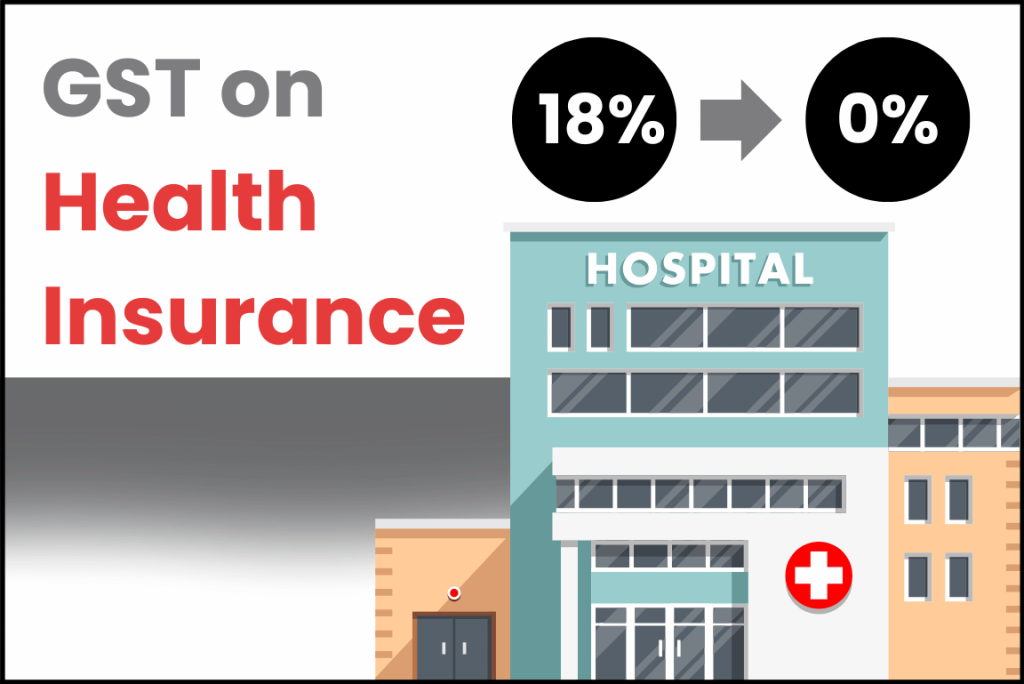
The insurance and health services sector has seen a transformative change under the 2025 GST reforms, with life and health insurance premiums now completely GST-free. For businesses, this directly lowers the cost of providing employee benefits, enabling corporates to enhance compensation packages without increasing overall HR spend. The exemption makes individual policies more attractive to employees, supporting better adoption of health and life insurance coverage. From a strategic perspective, companies can now reallocate savings toward additional benefits, employee wellness programs, or workforce expansion, strengthening both employee satisfaction and organizational competitiveness.
Renewable Energy:
The renewable energy sector is one of the biggest winners from the 2025 GST reforms, with the tax on solar equipment reduced from 12% to just 5%. This significant cut lowers capital expenditure for businesses investing in solar power projects, enabling them to accelerate return on investment (ROI) and improve overall project feasibility. For enterprises, the reduced GST also enhances the financial appeal of green initiatives, making it easier to attract investors and secure funding. In addition, lower equipment costs are expected to drive broader adoption of renewable energy solutions, aligning corporate sustainability goals with long-term cost savings.
Strategic Financial Implications for Business Owners
Pricing & Margins:
One of the most immediate outcomes of the 2025 GST reforms is the need for businesses to revisit pricing and margin strategies. With lower GST on categories like consumer electronics, manufacturers and retailers can maintain healthy profit margins while offering strategic discounts to boost market share. For example, an electronics manufacturer may pass part of the tax savings to customers through reduced prices, while retaining enough margin to reinvest in promotions or R&D. Similarly, businesses in construction and FMCG can adjust pricing to remain competitive without eroding profitability. By aligning product pricing with the revised GST structure, companies can enhance customer appeal, protect margins, and strengthen long-term market positioning.
Compliance & Accounting:
The 2025 GST changes require businesses to place renewed focus on compliance and accounting practices. Updating ERP systems and invoicing software is essential to ensure that transactions reflect the new GST slabs accurately. This also helps maintain seamless reporting and timely Input Tax Credit (ITC) claims, reducing the risk of errors or penalties during audits. For CFOs and finance teams, aligning accounting processes with the revised tax framework not only ensures compliance but also improves financial transparency and operational efficiency. Proactive system upgrades today will save businesses from costly disruptions and compliance bottlenecks in the future.
Supply Chain & Procurement:
The revised GST structure in 2025 offers significant opportunities for businesses to strengthen their supply chain and procurement strategies. With reduced GST on key inputs, companies can benefit from lower production costs, improving overall profitability. This cost advantage enables businesses to renegotiate supplier contracts, ensuring better terms and long-term savings. Alternatively, organizations can choose to strategically pass on part of the savings to clients, enhancing competitiveness while maintaining healthy margins. For industries like manufacturing, FMCG, and construction, aligning procurement decisions with the new GST rates will be critical to driving efficiency and sustaining growth.
Cash Flow & Working Capital:
The 2025 GST reforms will also reshape how businesses manage cash flow and working capital. With revised tax rates altering the timing and size of tax outflows, companies can plan more effectively to enhance liquidity and reduce financial strain. For example, construction firms can leverage lower GST on building materials to fund projects internally without relying on additional financing, improving overall project viability. By closely monitoring tax obligations and aligning working capital strategies with the new GST structure, businesses can ensure greater financial stability and smoother day-to-day operations.
Actionable Recommendations for Business Owners
To fully capitalize on the 2025 GST reforms, business owners should take a structured approach to implementation. Start by conducting a comprehensive GST impact audit across all products, services, and operational costs to identify potential savings and risks. Based on these insights, companies can adjust pricing strategies and refine sales forecasts to capture market opportunities created by lower tax rates. Training finance and accounting teams on updated compliance and reporting requirements is equally critical to avoid errors and ensure smooth operations. At the same time, organizations should communicate proactively with suppliers, distributors, and clients, ensuring transparency and alignment across the value chain. Finally, staying alert for future GST amendments will help businesses remain agile and prepared for regulatory changes, safeguarding both compliance and competitiveness.
Beyond Rate Changes – Shaping Your Business Strategy
GST isn’t just about compliance; it’s about aligning your operations with evolving tax structures. Whether it’s adjusting pricing, restructuring contracts, or optimizing invoicing, the right strategy can make a big difference.
For a deeper dive, explore these related insights:
- GST and Health Insurance: What You Need to Know – for those in the insurance and financial services sector.
- How GST Reforms Will Impact Car Buyers in India – if you’re in or catering to the automobile industry.
- Understanding GST Slabs in 2025 – for a quick reference to essential vs. luxury classifications.
By interlinking these insights, you can move beyond surface-level compliance and make GST reforms work in your favor.
Conclusion: Turn GST Changes into Business Advantage
The 2025 GST reforms are more than tax updates—they’re a strategic opportunity for businesses. Companies that act now can optimize margins, reduce operational costs, and maintain a competitive edge. By reviewing budgets, supply chains, and pricing strategies, business leaders can turn these reforms into long-term advantages, rather than compliance headaches.