Introduction — A tax change that brightens the energy bill

As part of the renewable energy GST 2025 update, India’s GST 2.0 package reduced the GST rate on renewable-energy devices and parts — notably solar panels, inverters, wind generators and related components — from 12% to 5%, effective 22 September 2025. That single change lowers capital costs for projects, improves project IRRs and can push down tariffs for consumers over time. If you’re a developer, rooftop installer, financer or policymaker, this shift matters for budgeting, bids and bankability.
What changed — concrete, quick
The GST Council specifically rationalised taxation across the renewable-energy value chain: solar PV modules and inverters, wind turbines and generators, biogas plants, waste-to-energy systems and many balance-of-system parts now attract 5% GST (down from 12%). The government also permitted transitional measures — for example, MRP/price adjustments on unsold stock and clarifications around invoicing — to ease implementation.
Who benefits — from utility-scale to rooftop owners
Developers of utility-scale solar and wind projects gain the most obvious lift: reducing GST on kit cuts upfront capex. Officials and analysts estimate savings of roughly ₹20–25 lakh per MW on capital cost for a typical utility-scale solar project — a material number when bids are tight. Rooftop customers (commercial & residential) and farmers adopting solar pumps will also see lower equipment invoices, improving payback periods and uptake. Equipment manufacturers and local assemblers benefit too: lower tax on inputs strengthens domestic manufacturing competitiveness.
How this can affect tariffs and project economics
Lower capex typically improves levelised cost of energy (LCOE). Industry trackers expect a modest reduction in tariffs as developers pass on savings during new bid rounds or renegotiate late-stage deals. For projects already awarded and commissioned, the impact depends on contract terms and whether equipment was purchased before the cut; developers with outstanding procurement can reprice new orders, while those with completed purchases will rely on transitional rules and accounting to manage the difference. Experts say the tax cut could trim project costs by around ~5%, enough to revive some marginal projects and accelerate deployment.
Practical checklist — what project teams must do now
- Re-run capex models at SKU level (modules, inverters, mounts, cables) to capture the 5% GST effect.
- Check procurement timing — review PO dates and invoices to apply transitional treatment correctly; document pre-change purchases.
- Talk to financiers early — lenders need updated cost sheets and revised DSCR projections before debt drawdown.
- Update bid packs and tariffs where procurement is pending; in tenders, reflect competitive pricing enabled by lower GST.
- Work with suppliers to confirm whether they’ll pass savings through immediately or on a rolling basis; get written confirmation.
FAQs — quick answers for developers & buyers
Q1. When did the GST cut take effect?
Ans. The GST 2.0 changes are effective 22 September 2025. Check official releases for implementation notes.
Q2. Does this apply to batteries / storage?
Ans. Some storage components and balance-of-system parts are included where specified; check HSN codes and the official list — treatment can vary by product.
Q3. Will tariffs for end consumers fall immediately?
Ans. Not instantly — tariff reduction depends on tender timing, contract terms and whether developers pass savings on. New bids and rooftop quotes, however, should reflect lower capex quickly.
GST Beyond Cost — supply chain and policy ripple effects
This tax change is more than cheaper panels. It improves project bankability, stimulates local manufacturing (by lowering input tax burdens), and can speed up distributed generation adoption in agriculture and MSMEs. It also reduces uncertainty in valuation disputes tied to multiple levies, simplifying compliance for EPC contractors and OEMs. Over time, a healthier renewables pipeline supports grid decarbonisation and energy security goals.
Further reading — act on the 22 Sep 2025 GST changes
- New GST Exemptions 2025: Big Gains for Healthcare Sector
- Electronics GST 2025: TVs, ACs & More Get Tax Relief
- Wedding GST Update: Tax Impact on Clothes, Food & Décor
Smart ways to scale project operations regionally
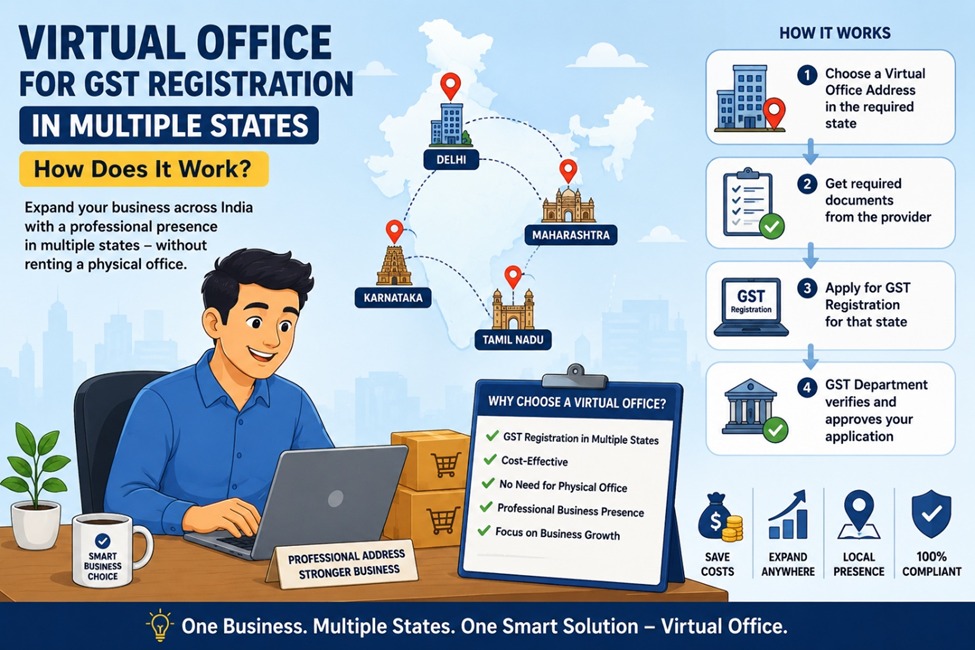
When developers expand operations into new states for rooftop rollouts or regional O&M hubs, a virtual office gives a professional business address, phone handling and local correspondence without heavy rental commitments. That helps with multi-state GST registrations, faster supplier onboarding, and a compliant local contact for landowners and municipal approvals — useful when speed matters in executing solar projects. Explore Virtual Office options here.
Conclusion — prepare, document and capture savings
Cutting GST to 5% across renewable-energy devices is a clear, structural nudge to make clean power cheaper and faster to deploy. Project teams should update capex models, confirm supplier pass-through, document pre-change purchases, and rework bids where appropriate. Done right, this reform lowers tariffs, boosts deployment and strengthens India’s path to a cleaner grid.
References
- GST Council — Press Release & recommendations (GST 2.0 PDF).
- PIB — “GST on Renewable Energy Devices Rationalised to 5%” (press release).
- Reuters — India’s tax cut on solar & wind devices and market reaction.
- PV-Tech — “India cuts GST on renewable energy components from 12% to 5%.”
- Economic Times — Coverage on renewables & industry response.
- Other References – Economic Times, Mercomindia, Bluebirdsolar, Cleantechlaw